
Pork Loin VS Pork Tenderloin: Stop Confusing These Two Cuts


SmokedBBQSource is supported by its readers. We may earn an affiliate commission at no extra cost to you if you buy through a link on this page. Learn more.
While they sound incredibly similar, did you know pork loin and tenderloin are two very different cuts of pork? Knowing how to tell these two popular cuts apart can help you avoid disappointment in the kitchen.
This article explains the key differences between pork loin and pork tenderloin, how to recognize them, and how best to cook them for delicious results.
What’s the main difference between pork loin and pork tenderloin?
While both come from the pig’s back area, pork loin and tenderloin have different shapes, sizes, and textures. They’re completely separate cuts with differing cooking times and methods.

Pork loin is sold both bone-in and boneless and is larger and thicker than tenderloin, so it takes longer to cook.
Meanwhile, pork tenderloin is a long, thin slice of muscle taken from along the backbone.

Can you substitute pork loin for tenderloin?
The quick answer is no. While they’re both lean cuts, the different shapes and sizes mean you can’t simply swap one for another, as temperatures and cooking times vary.
What is pork loin?
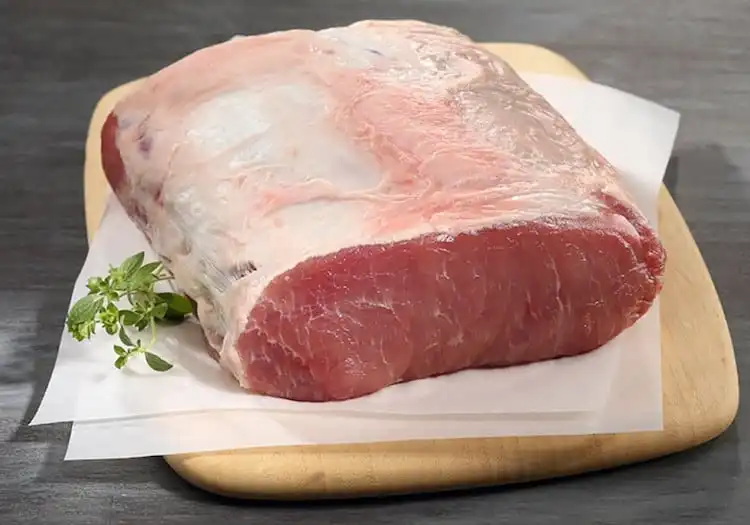
Pork loin is a popular cut with health-conscious consumers looking for a lean yet flavorful, incredibly versatile cut. It’s sourced from higher up on the pig’s back between the shoulders and the rump on each side of the backbone. It’s a much larger, wider, and thicker cut than tenderloin.

Served boneless or bone-in with ribs attached, it helps to think of it as several pork chops joined together before slicing.
Whole pork loin is typically sold with a fat cap. Pork center loin is a large, wide cut of boneless meat weighing between three and five pounds. It’s generally mild in flavor and best if cooked low and slow. This is why we love to smoke it.
How to cook pork loin
Pork loin has a bad rap for being dry. But the key is cooking until it reaches an internal temperature between 145°F and 150°F. This equals juicy, tender pork. Here are a few common ways to cook pork loin.
- Pan fry
Slice pork loin to create pork steaks (a.k.a. pork loin chops or pork rib chops) and cook them individually. We recommend cutting pork loin chops at least ¾-inch thick, so they don’t dry out while cooking. Cooking your loin chops with the bone attached can make cutting trickier, but it also helps prevent them from drying out. Pan-fry your pork loin chops over medium-high heat for 6 to 8 minutes, depending on thickness. - Oven roast
A whole pork loin center can be oven-roasted and sliced to serve. If possible, include the backbone for added flavor. Oven-roast the pork loin roast for 20 to 25 minutes per pound at 350°F until it reaches an internal temperature of 145 to 150°F.
Hot tip: Ask your butcher to remove the backbone to make slicing easier. Then, you can tie it back on for cooking and easily cut it into servings later—the best of both worlds. - Smoke
For our easy smoked pork loin, we set it in a 250-degree smoker for 2 to 2.5 hours until it reaches an internal temperature of 145°F.
What is pork tenderloin?
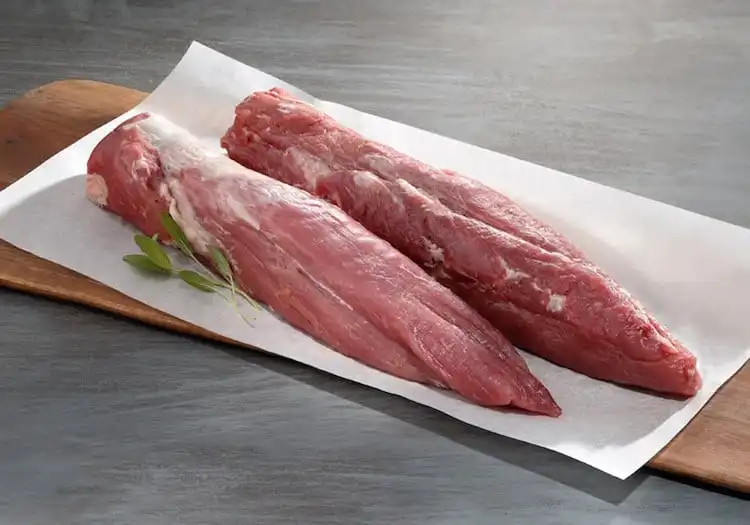
Whereas pork loin is highly popular, pork tenderloin is expensive and highly prized. Pork tenderloin (also known as pork fillet) is a long, thin slice of muscle from the backbone above the ribs and belly (very close to the loin).

But like pork loin, tenderloin is one of the leanest meat cuts, packed with protein and minimal fat content. In fact, the USDA compares its leanness to a skinless chicken breast. It’s only served boneless and weighs between one and two pounds – enough to serve three to four people.
It’s the most expensive pork cut because it’s also the most tender (hence the additional “tender” in front of its name). This part of the pig is primarily used for maintaining posture rather than movement, which helps it remain oh-so-tender.
How to cook pork tenderloin
The most important thing to remember about pork tenderloin (like loin) is that it is lean and can dry out quickly if overcooked.
- Pan fry
Its leanness and size make pork tenderloin perfect for pan-frying and creating a quick and easy meal. Cut the pork tenderloin crosswise around one inch thick and quickly pan-fry the sliced medallions for just a few minutes to prevent them from overcooking and drying out.
Because it cooks quickly, thinly sliced pork tenderloin is great for stir-fries as a spicy sauce really boosts its mild flavor. - Oven roast
Place the whole pork tenderloin in a roasting pan and oven-roast it at 425°F for 20 to 25 minutes until it reaches 145 to 150°F internally. Once removed from the oven, let the roasted pork tenderloin rest for several minutes before serving to redistribute the internal juices for tasty, tender meat. - Smoke
We have two smoked pork tenderloin recipes. Our juicy smoked tenderloin includes a honey garlic dry rub and a mustard barbecue sauce. We cook it in a 250-degree smoker for about 45 minutes or until the internal temperature reaches 135°F when checked with a meat thermometer. Then we add that delicious sauce and cook it for a further 15 to 20 minutes until the internal temperature reaches 145/150°F and the sauce is tacky. Remember to let it rest for ultimate juiciness.
The other option is our pellet grill pork tenderloin recipe. It’s very similar in terms of cooking time but includes a BBQ rub and BBQ sauce.
What’s better: pork loin or tenderloin?
While pork loin is large and versatile, pork tenderloin is one of the leanest and most tender meat cuts on the market.

About Your Pitmaster
Joe Clements is the founder and editor-in-chief of Smoked BBQ Source, a leading barbecue resource that has helped tens of millions master grilling and smoking. Growing up in a vegetarian household, his love for barbecue was unexpected. Determined to master the craft, he launched Smoked BBQ Source in 2016 to document his journey from amateur to pitmaster.
Joe leads a team of expert barbecue creators and oversees the largest collection of in-depth grill reviews and a library of tested, foolproof recipes. Whether he’s firing up a pellet grill or charcoal kettle, he’s passionate about making barbecue approachable and enjoyable for all.